
|
|
|
|
|
|


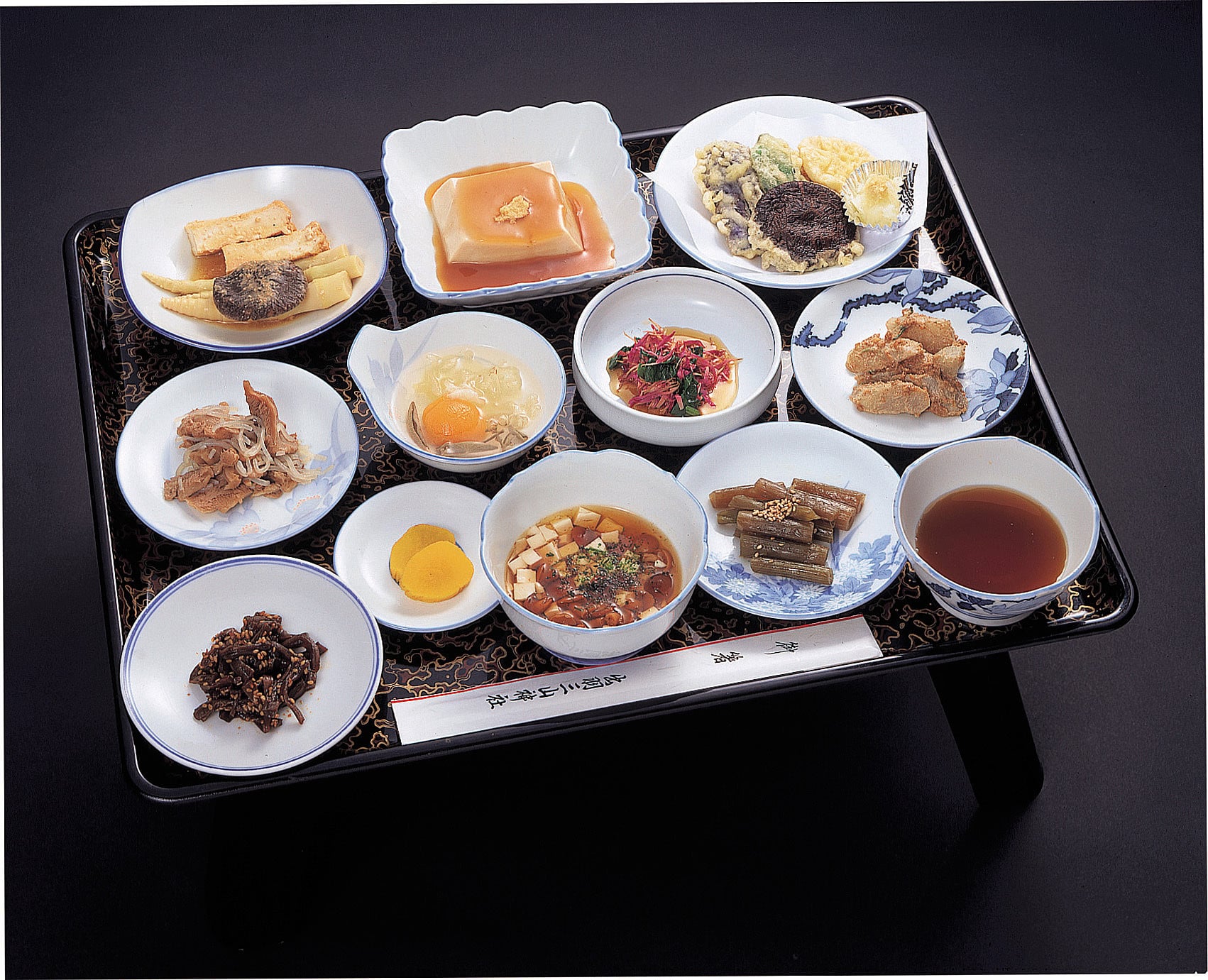

L'unique shukubo (logement monastique) d'époque Edo encore debout au sommet du mont Haguro, géré par le sanctuaire Dewa Sanzan Jinja, avec une shojin ryori aux herbes de montagne distinguée par Michelin.
Originally Kezo-in, one of more than thirty sub-temples that once stood on Haguro-san, Saikan was preserved as the shrine's "saikan" (purification lodge) at the Meiji-era separation of Buddhism and Shinto. It is the only Edo-period yamabushi residence still standing on the mountain itself.
Saikan is famous for its Dewa Sanzan shojin ryori — sesame tofu, sansai (mountain herbs), kinome dengaku and locally foraged mushrooms — listed in Michelin Green Guide Japon. Available from 7-dish (¥2,200) to a 7,700-yen Mikazuki-zen.
Lodging is by reservation only and includes attendance at the morning Shinto service in Sanjin Gosaiden, the great shrine of the three mountains. Plans run from ¥11,000 with two meals.
Saikan (Haguro-san Sanrosho)
Comparer 2 plateformes — économisez jusqu'à 20%
Les liens de réservation peuvent générer une commission, sans frais supplémentaires pour vous.
Gare la plus proche
Haguro-sancho Bus Stop (from JR Tsuruoka Station)
Depuis l'aéroport du Kansai (KIX)
1. JR Haruka Express → Kyoto Station ~75 min
2. Local train/taxi → Haguro-sancho Bus Stop (from JR Tsuruoka Station) ~5 min
Depuis Tokyo
1. Tokaido Shinkansen → Kyoto Station ~2h 15m
2. Local transit → Haguro-sancho Bus Stop (from JR Tsuruoka Station) ~5 min
Depuis Osaka
1. JR Special Rapid → Kyoto Station ~30 min
or Hankyu Railway → Kawaramachi ~45 min
Conseil: Procurez-vous une carte IC (ICOCA ou Suica) dans n'importe quelle gare pour voyager facilement en bus et en train.
💡 Économisez avec un Japan Rail Pass
Trajets illimités en Shinkansen et trains JR locaux
12 questions sur Saikan (Haguro-san Sanrosho)
Originally Kezo-in, one of more than thirty sub-temples that once stood on Haguro-san, Saikan was preserved as the shrine's "saikan" (purification lodge) at the Meiji-era separation of Buddhism and Shinto. It is the only Edo-period yamabushi residence still standing on the mountain itself.
Saikan is famous for its Dewa Sanzan shojin ryori — sesame tofu, sansai (mountain herbs), kinome dengaku and locally foraged mushrooms — listed in Michelin Green Guide Japon. Available from 7-dish (¥2,200) to a 7,700-yen Mikazuki-zen.
Lodging is by reservation only and includes attendance at the morning Shinto service in Sanjin Gosaiden, the great shrine of the three mountains. Plans run from ¥11,000 with two meals.
12 questions sur Saikan (Haguro-san Sanrosho)
Plus à Dewa Sanzan
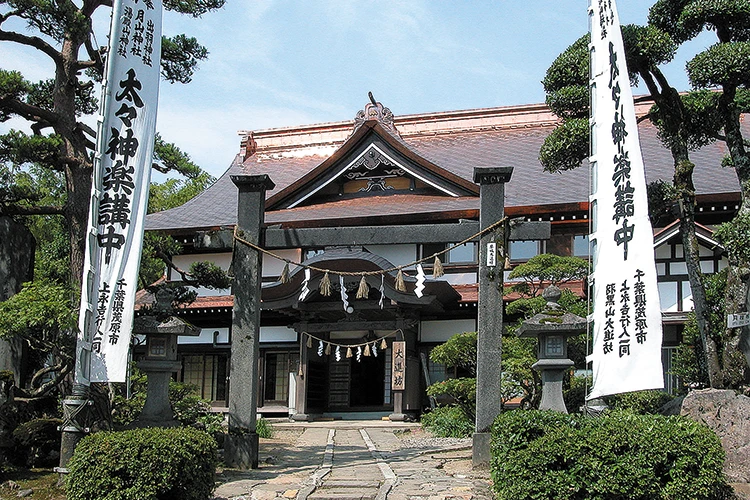
宿坊 大進坊
Un shukubo (logement monastique) de Toge tenu par des yamabushi, avec shojin ryori faite maison, cérémonie du feu Goma privée et services pleinement adaptés aux voyageurs internationaux.
à partir de $95/nuit
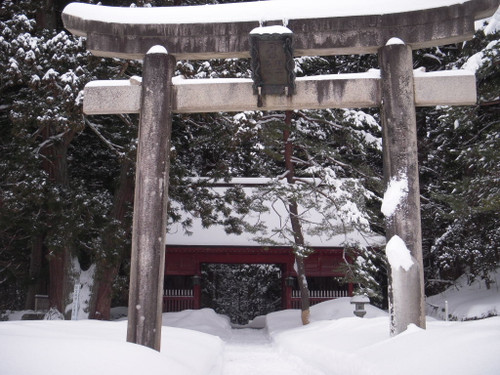
出羽三山 多聞館
Shukubo (logement monastique) de Toge vieux de 300 ans, bâti en cèdre sacré de Haguro, célèbre pour son tofu de sésame en sauce ankake et sa shojin ryori aux herbes de montagne.
à partir de $90/nuit
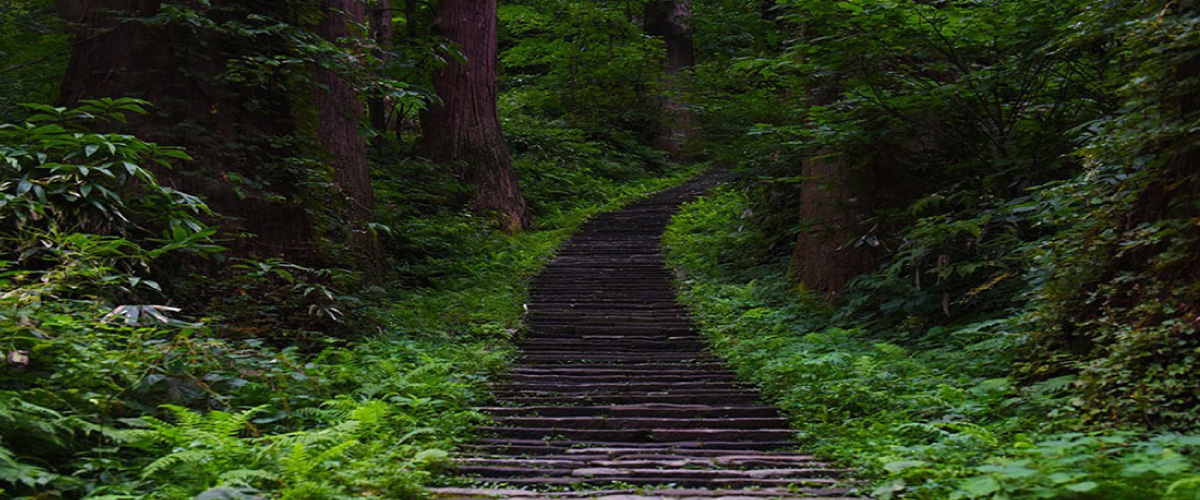
大聖坊
Shukubo de yamabushi (ascètes de montagne) vieux de 400 ans, à Touge, dirigé par maître Hoshino Fumihiro et mondialement reconnu pour ses stages estivaux de Shugendo.
à partir de $110/nuit
Articles connexes