
|
|
|
|
|
|
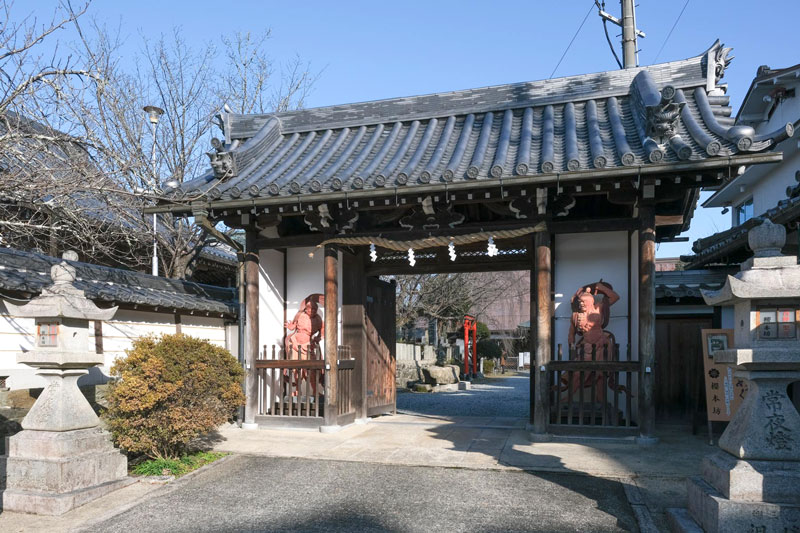
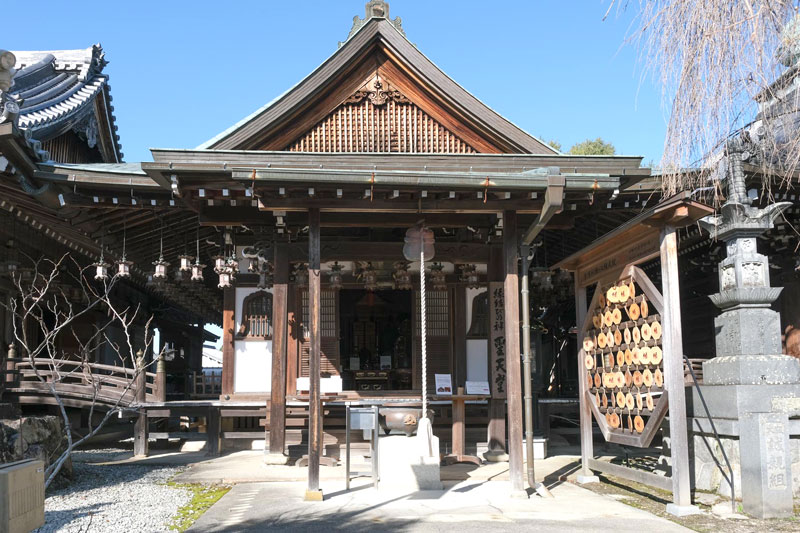
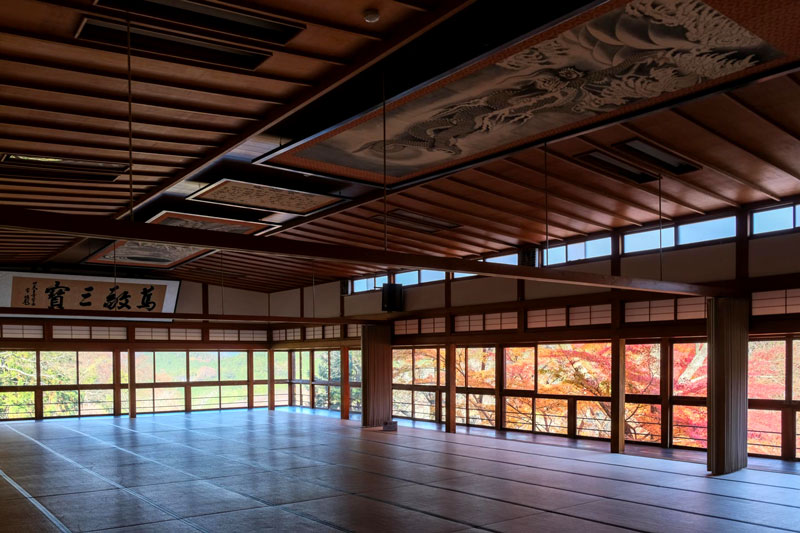
Shukubo et salle d'entraînement du Shugendo (ascétisme montagnard) sur le Mont Yoshino classé à l'UNESCO, fondé sur un vœu de l'empereur Tenmu et abritant trois Bouddhas inscrits comme Biens culturels importants.
Sakuramotobo was founded in the late 7th century by Kakujo Sozu, the senior disciple of En no Gyoja, on the spot where the future Emperor Tenmu dreamed of a cherry tree in full bloom — a divine sign that he would become emperor. It is registered as the imperial vow temple of both Emperor Tenmu and Empress Jito.
A Special Head Temple of the Honzan Shugen-shu and one of the five guardian temples of Mt. Omine (Daiminesan-goji-in). The temple still leads major Shugendo programs each year, including 大峯山登拝修行 (Mt. Omine pilgrimage training) and the 5-day 大峰奥駈修行 (Omine Okugake-do traverse).
The principal image — a Kamakura-period statue of Jinben Daibosatsu (En no Gyoja) — together with the Shaka Nyorai seated statue (Asuka-Hakuho period; said to be Emperor Tenmu's personal Buddha) and a Heian-period seated Jizo Bosatsu, are all designated National Important Cultural Properties.
Sakuramotobo
Comparer 2 plateformes — économisez jusqu'à 20%
Les liens de réservation peuvent générer une commission, sans frais supplémentaires pour vous.
Gare la plus proche
Yoshinoyama Station (Yoshino Ropeway)
Depuis l'aéroport du Kansai (KIX)
1. JR Haruka Express → Kyoto Station ~75 min
2. Local train/taxi → Yoshinoyama Station (Yoshino Ropeway) ~20 min
Depuis Tokyo
1. Tokaido Shinkansen → Kyoto Station ~2h 15m
2. Local transit → Yoshinoyama Station (Yoshino Ropeway) ~20 min
Depuis Osaka
1. JR Special Rapid → Kyoto Station ~30 min
or Hankyu Railway → Kawaramachi ~45 min
Conseil: Procurez-vous une carte IC (ICOCA ou Suica) dans n'importe quelle gare pour voyager facilement en bus et en train.
💡 Économisez avec un Japan Rail Pass
Trajets illimités en Shinkansen et trains JR locaux
12 questions sur Sakuramotobo
Sakuramotobo was founded in the late 7th century by Kakujo Sozu, the senior disciple of En no Gyoja, on the spot where the future Emperor Tenmu dreamed of a cherry tree in full bloom — a divine sign that he would become emperor. It is registered as the imperial vow temple of both Emperor Tenmu and Empress Jito.
A Special Head Temple of the Honzan Shugen-shu and one of the five guardian temples of Mt. Omine (Daiminesan-goji-in). The temple still leads major Shugendo programs each year, including 大峯山登拝修行 (Mt. Omine pilgrimage training) and the 5-day 大峰奥駈修行 (Omine Okugake-do traverse).
The principal image — a Kamakura-period statue of Jinben Daibosatsu (En no Gyoja) — together with the Shaka Nyorai seated statue (Asuka-Hakuho period; said to be Emperor Tenmu's personal Buddha) and a Heian-period seated Jizo Bosatsu, are all designated National Important Cultural Properties.
12 questions sur Sakuramotobo
Plus à Yoshino
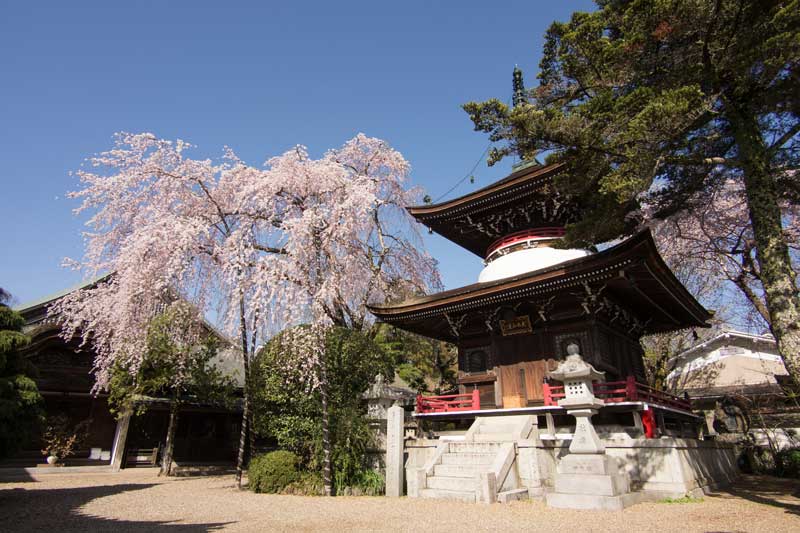
大峯山 東南院
Shukubo vieux de 1 300 ans fondé par En no Gyoja au sud-est de Kinpusenji, célèbre pour son pagodon tahoto et son cerisier pleureur. Fréquenté par l'empereur retiré Shirakawa et par Matsuo Basho.
à partir de $60/nuit
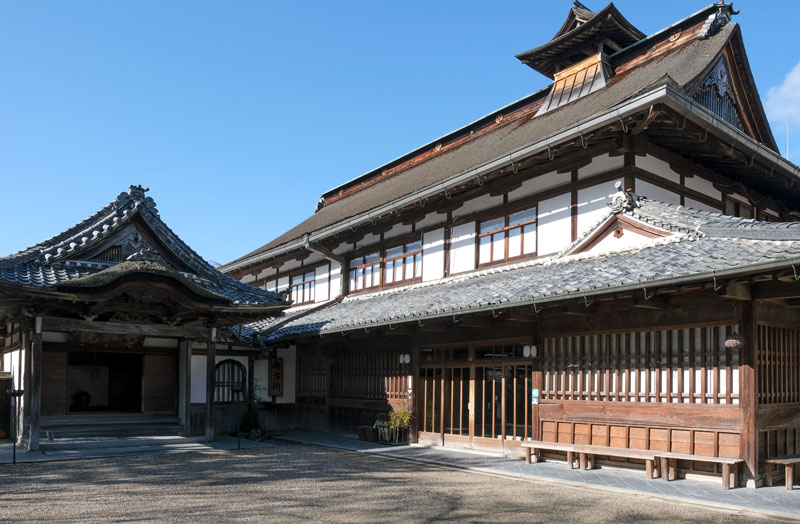
竹林院 群芳園
Shukubo-ryokan le plus prestigieux du Mont Yoshino, fondé par le prince Shotoku et organisé autour de Gunpoen — un jardin de Sen no Rikyu classé parmi les Trois Grands Jardins du Yamato.
à partir de $110/nuit
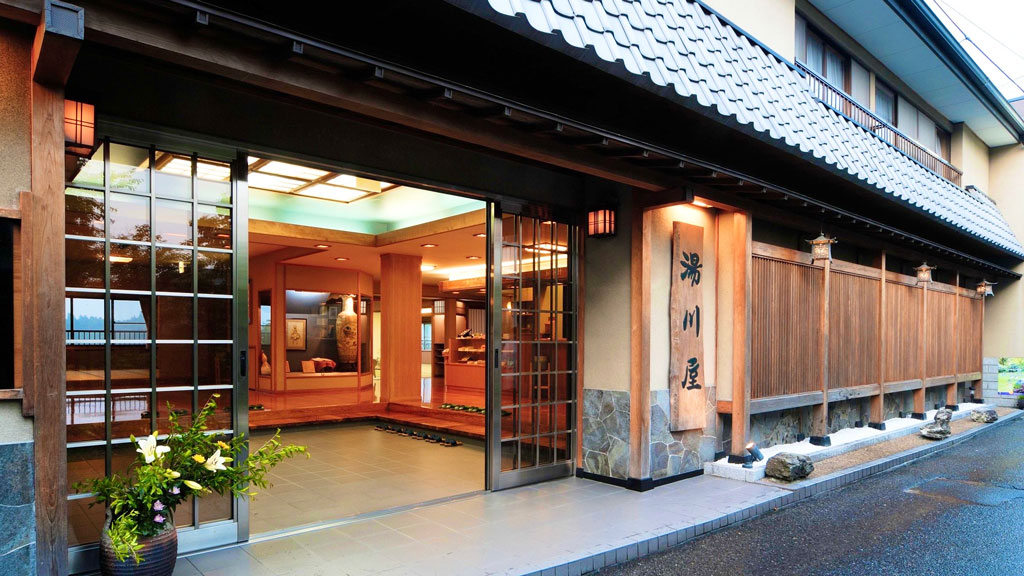
吉野荘 湯川屋
Ryokan de 300 ans planté devant le grand portail du Zao-do de Kinpusenji, l'hébergement le plus proche de ce Trésor national, avec le premier bain extérieur à débordement de la préfecture de Nara.
à partir de $130/nuit
Articles connexes