|
|
|
|
|
|
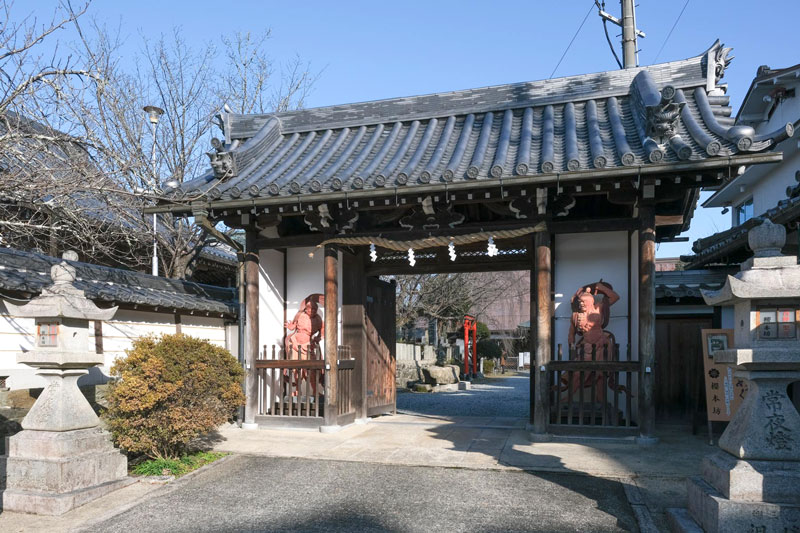
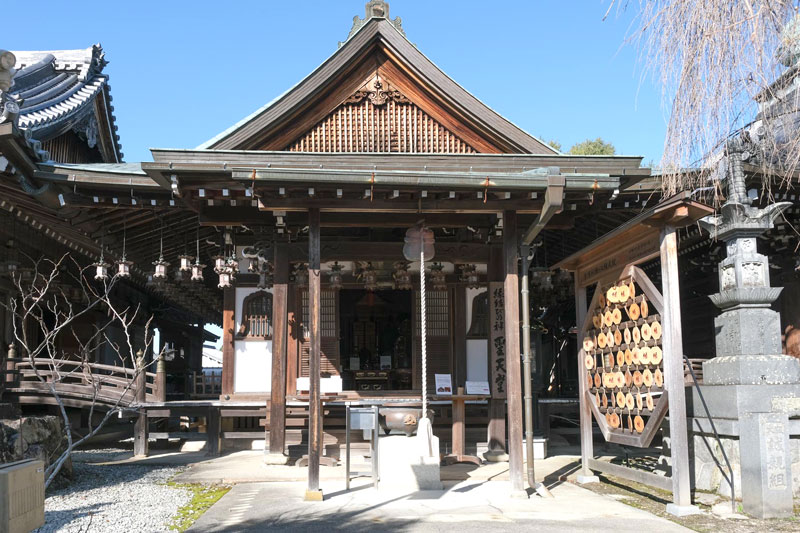
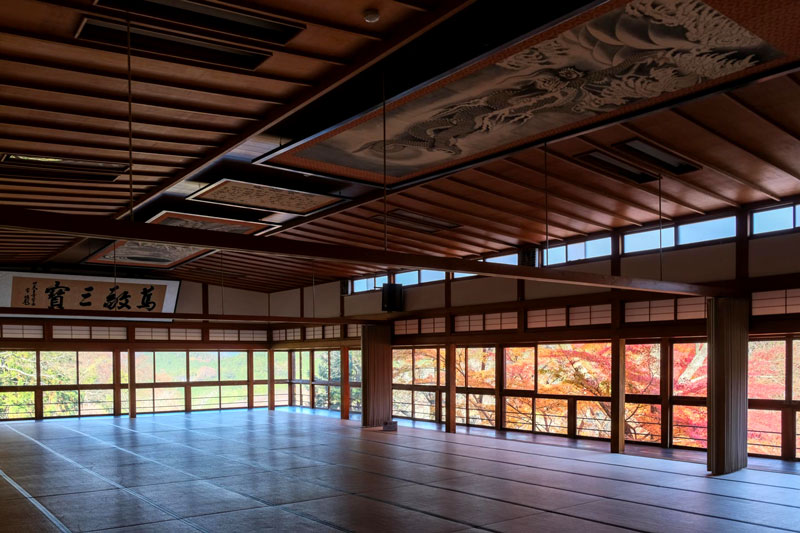
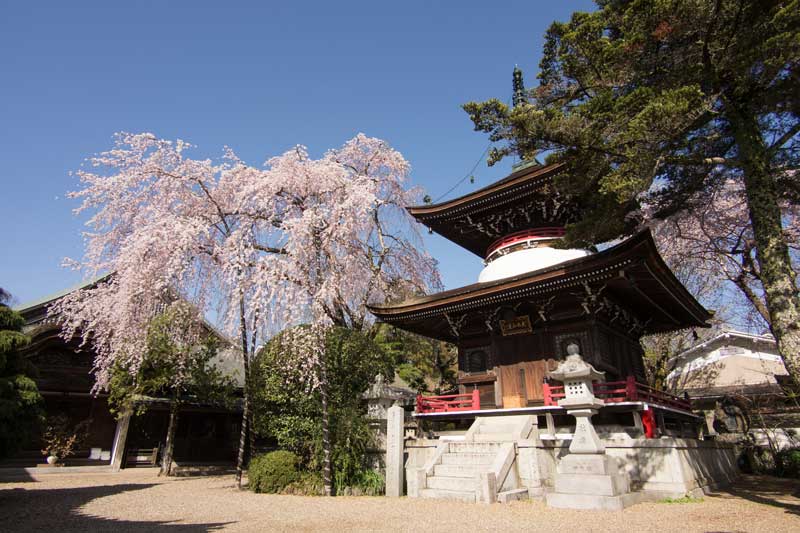
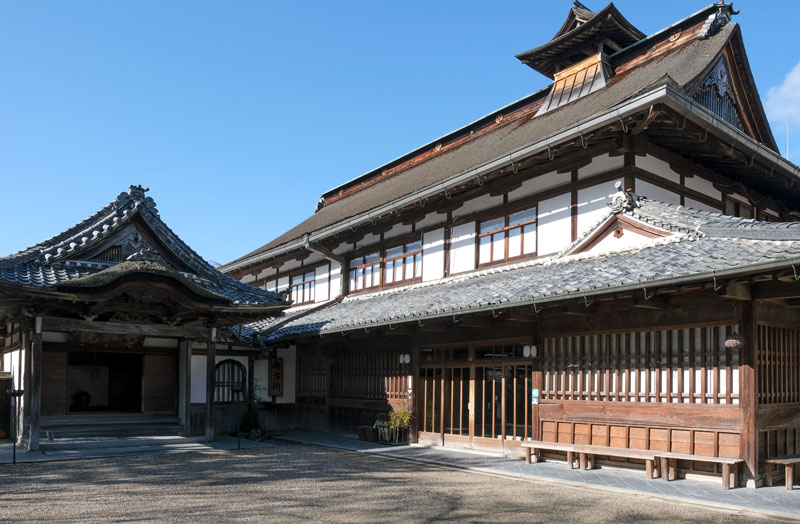
坐落于世界遗产吉野山的修验道道场宿坊,由天武天皇的梦境发愿建立,供奉三尊国家重要文化财佛像。
Sakuramotobo was founded in the late 7th century by Kakujo Sozu, the senior disciple of En no Gyoja, on the spot where the future Emperor Tenmu dreamed of a cherry tree in full bloom — a divine sign that he would become emperor. It is registered as the imperial vow temple of both Emperor Tenmu and Empress Jito.
A Special Head Temple of the Honzan Shugen-shu and one of the five guardian temples of Mt. Omine (Daiminesan-goji-in). The temple still leads major Shugendo programs each year, including 大峯山登拝修行 (Mt. Omine pilgrimage training) and the 5-day 大峰奥駈修行 (Omine Okugake-do traverse).
The principal image — a Kamakura-period statue of Jinben Daibosatsu (En no Gyoja) — together with the Shaka Nyorai seated statue (Asuka-Hakuho period; said to be Emperor Tenmu's personal Buddha) and a Heian-period seated Jizo Bosatsu, are all designated National Important Cultural Properties.
樱本坊
2个平台比价 — 最多节省20%
预订链接可能包含推广佣金,您无需支付任何额外费用。
最近车站
Yoshinoyama Station (Yoshino Ropeway)
从关西国际机场(KIX)出发
1. JR Haruka Express → Kyoto Station ~75 min
2. Local train/taxi → Yoshinoyama Station (Yoshino Ropeway) ~20 min
从东京出发
1. Tokaido Shinkansen → Kyoto Station ~2h 15m
2. Local transit → Yoshinoyama Station (Yoshino Ropeway) ~20 min
从大阪出发
1. JR Special Rapid → Kyoto Station ~30 min
or Hankyu Railway → Kawaramachi ~45 min
小贴士: 在任意车站购买IC卡(ICOCA或Suica),即可轻松刷卡乘坐公交和电车。
💡 使用日本铁路通票更划算
无限次乘坐新干线及JR在来线
关于樱本坊的12个问题
Sakuramotobo was founded in the late 7th century by Kakujo Sozu, the senior disciple of En no Gyoja, on the spot where the future Emperor Tenmu dreamed of a cherry tree in full bloom — a divine sign that he would become emperor. It is registered as the imperial vow temple of both Emperor Tenmu and Empress Jito.
A Special Head Temple of the Honzan Shugen-shu and one of the five guardian temples of Mt. Omine (Daiminesan-goji-in). The temple still leads major Shugendo programs each year, including 大峯山登拝修行 (Mt. Omine pilgrimage training) and the 5-day 大峰奥駈修行 (Omine Okugake-do traverse).
The principal image — a Kamakura-period statue of Jinben Daibosatsu (En no Gyoja) — together with the Shaka Nyorai seated statue (Asuka-Hakuho period; said to be Emperor Tenmu's personal Buddha) and a Heian-period seated Jizo Bosatsu, are all designated National Important Cultural Properties.
关于樱本坊的12个问题