|
|
|
|
|
|
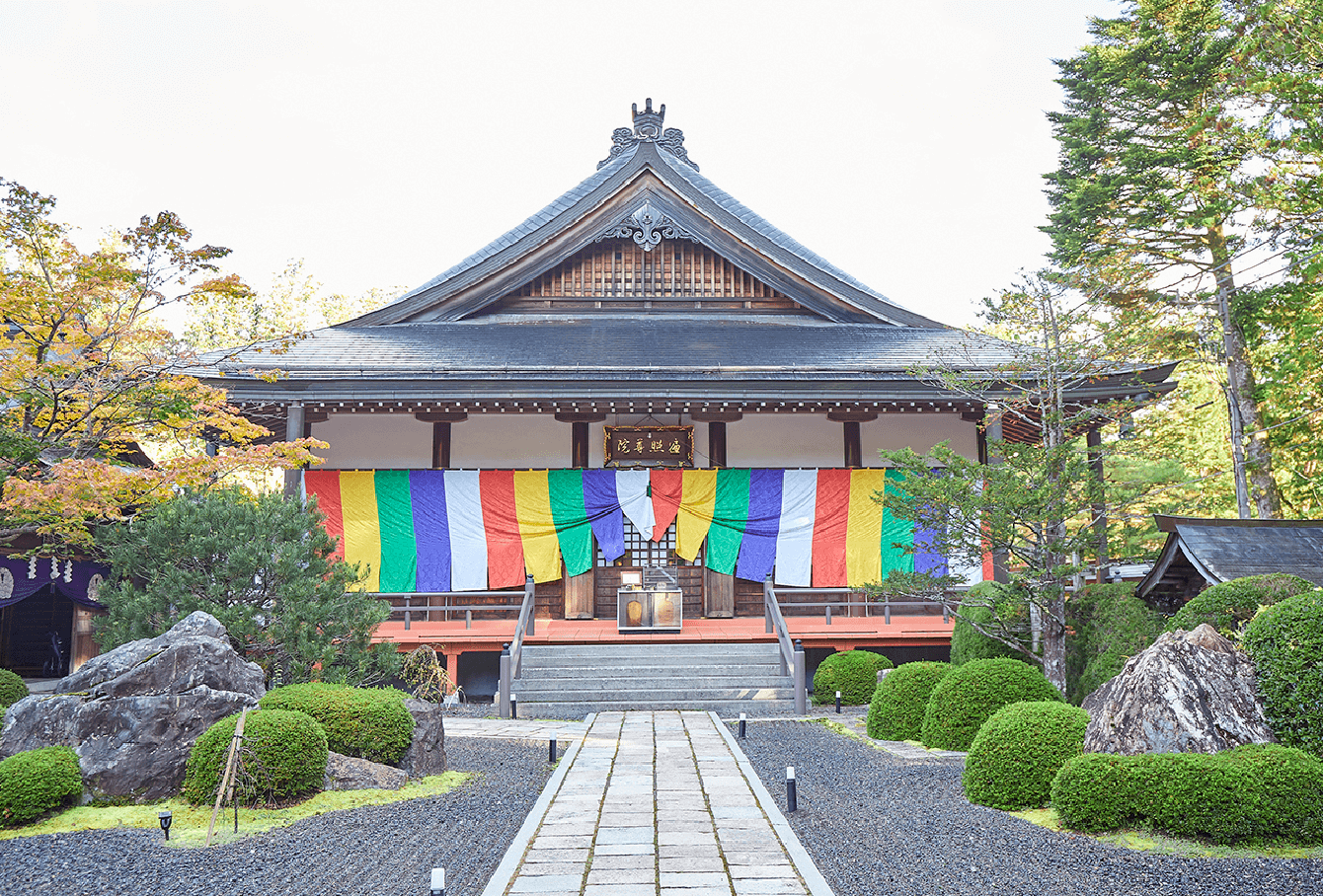
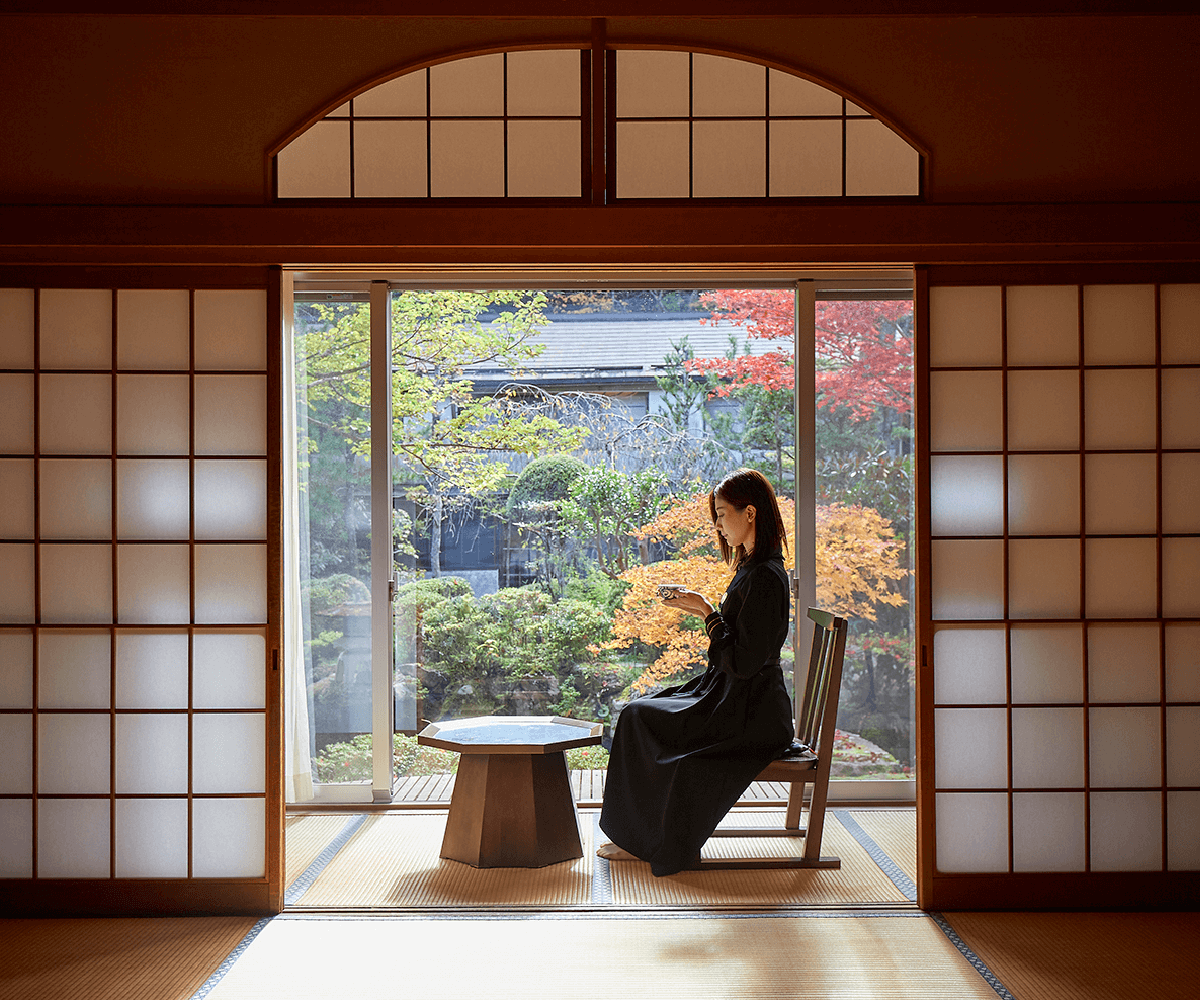
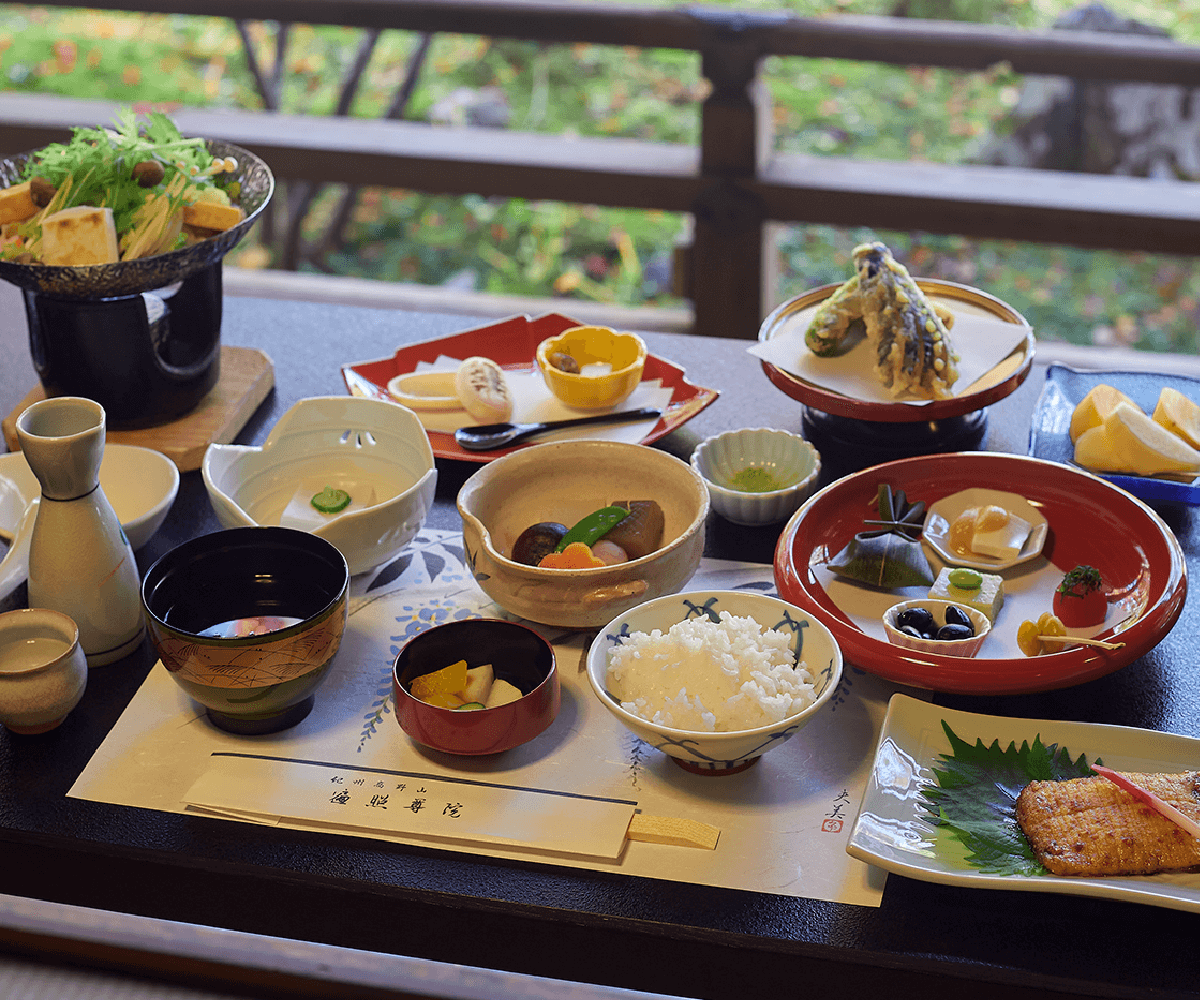
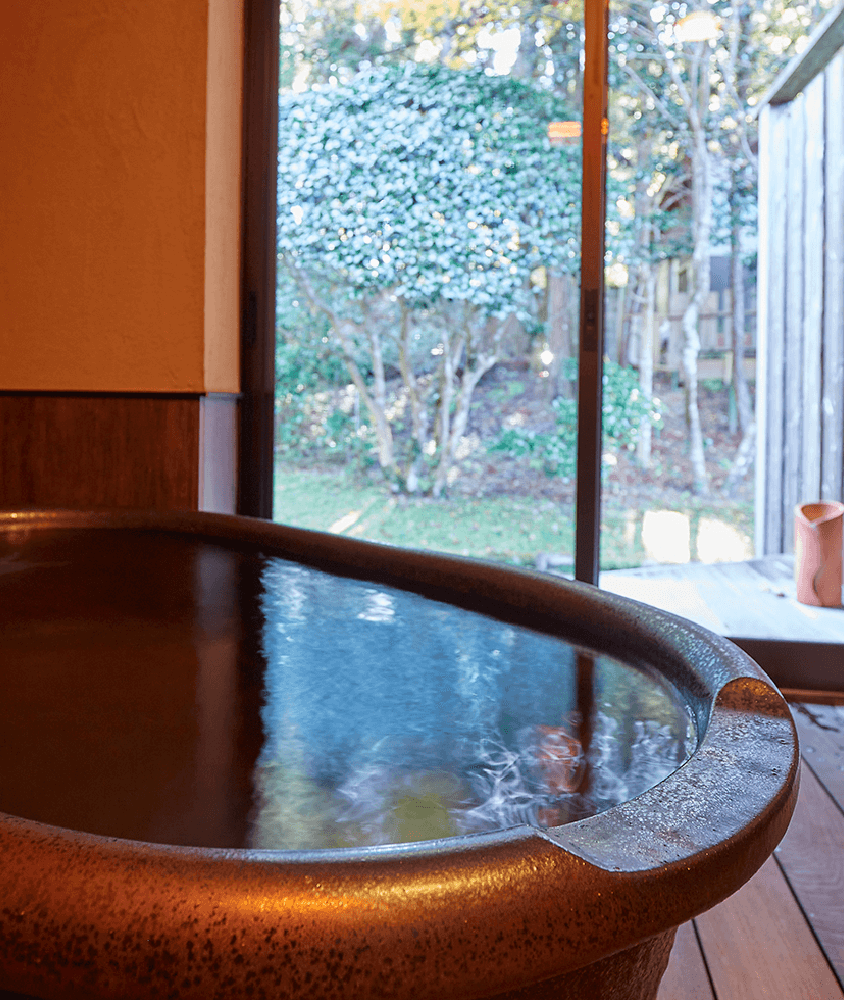
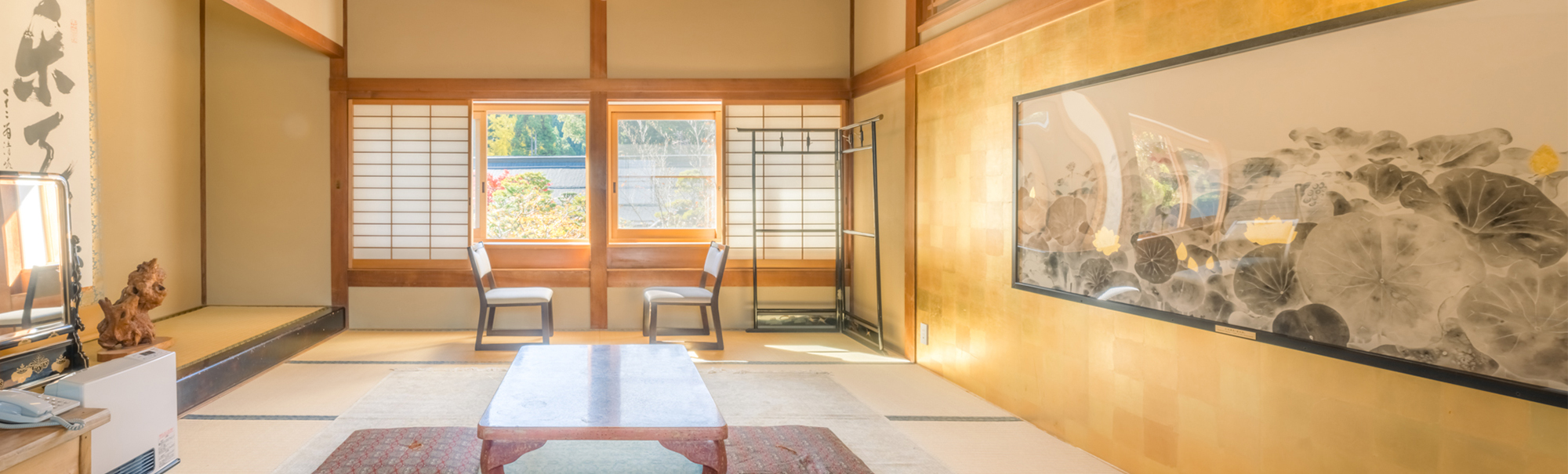
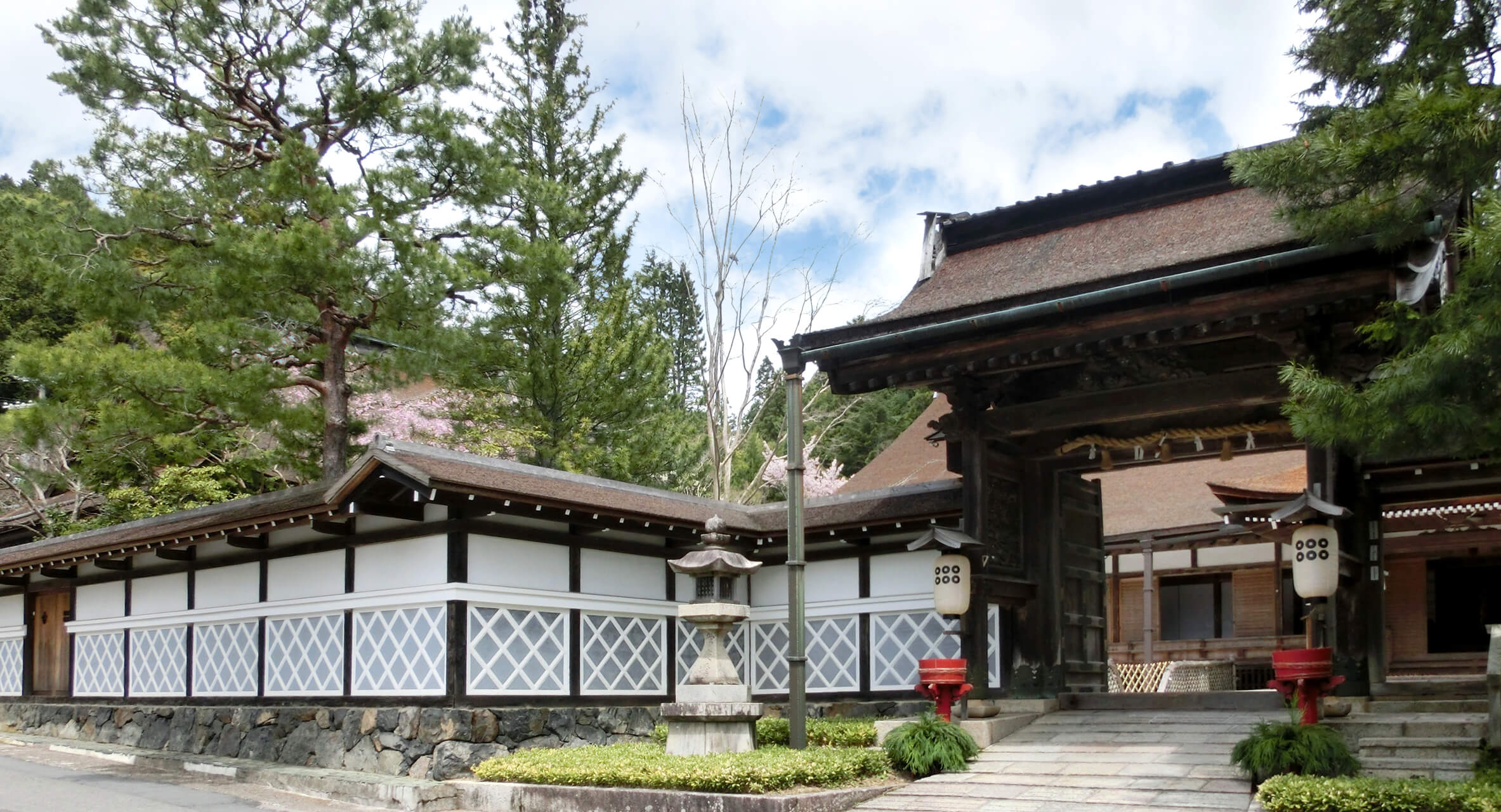
建於弘法大師苦行的山上的高野山築房,內有大柏樹浴池和阿字觀禪堂。
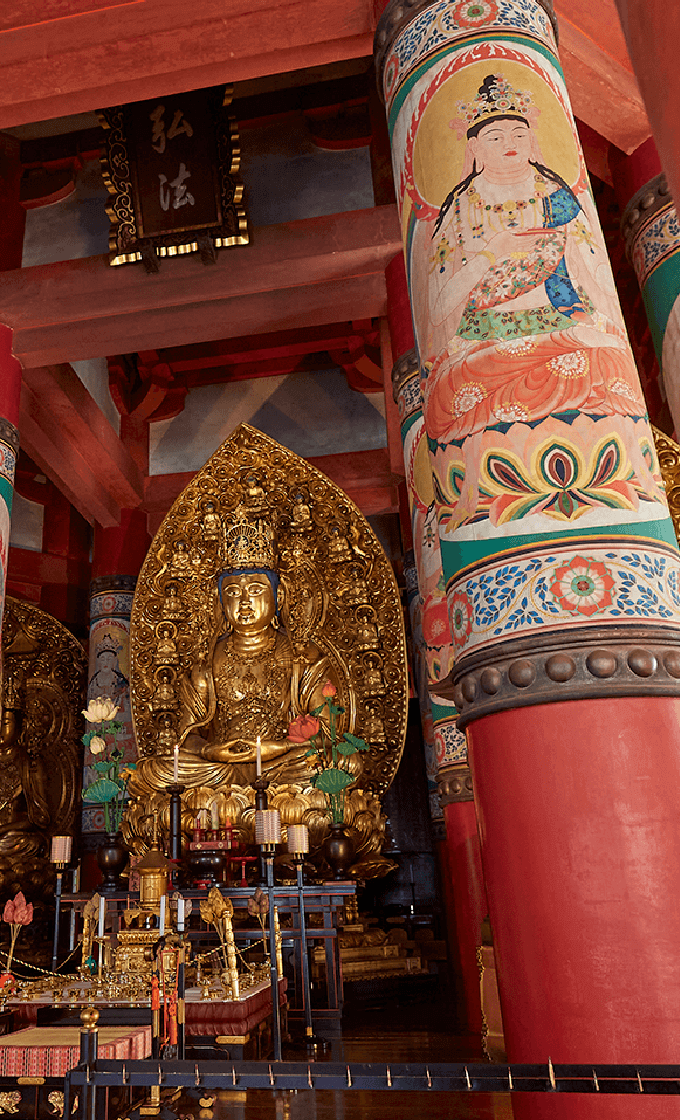
The temple stands on "Henjo-ga-oka," the hill where Kobo Daishi (Kukai) is said to have engaged in ascetic practice during the founding of Koyasan. The principal image is the Two Realms Dainichi Nyorai (Ryokai Dainichi).
A spacious communal bathhouse uses Japanese cypress on the lower floor and Koya-maki cypress on the upper floor, accommodating up to 50 bathers in a calm temple atmosphere.
Guests can choose from Ajikan meditation, sutra copying (shakyo), Buddha image tracing (shabutsu), Osunafumi sand-stepping pilgrimage, and a temple walking tour.
遍照尊院
2個平台比價 — 最多省20%
預訂連結可能含有聯盟行銷佣金,不會增加您的任何費用。
最近車站
Koyasan Station (cable car)
從關西機場(KIX)
1. JR Haruka Express → Kyoto Station ~75 min
2. Local train/taxi → Koyasan Station (cable car) ~18 min
從東京
1. Tokaido Shinkansen → Kyoto Station ~2h 15m
2. Local transit → Koyasan Station (cable car) ~18 min
從大阪
1. JR Special Rapid → Kyoto Station ~30 min
or Hankyu Railway → Kawaramachi ~45 min
小提示: 在任何車站購買IC卡(ICOCA或Suica),即可輕鬆感應搭乘公車和電車。
💡 使用日本鐵路通票節省交通費
無限次搭乘新幹線和JR在地路線
關於遍照尊院的13個問題
The temple stands on "Henjo-ga-oka," the hill where Kobo Daishi (Kukai) is said to have engaged in ascetic practice during the founding of Koyasan. The principal image is the Two Realms Dainichi Nyorai (Ryokai Dainichi).
A spacious communal bathhouse uses Japanese cypress on the lower floor and Koya-maki cypress on the upper floor, accommodating up to 50 bathers in a calm temple atmosphere.
Guests can choose from Ajikan meditation, sutra copying (shakyo), Buddha image tracing (shabutsu), Osunafumi sand-stepping pilgrimage, and a temple walking tour.
關於遍照尊院的13個問題