|
|
|
|
|
|
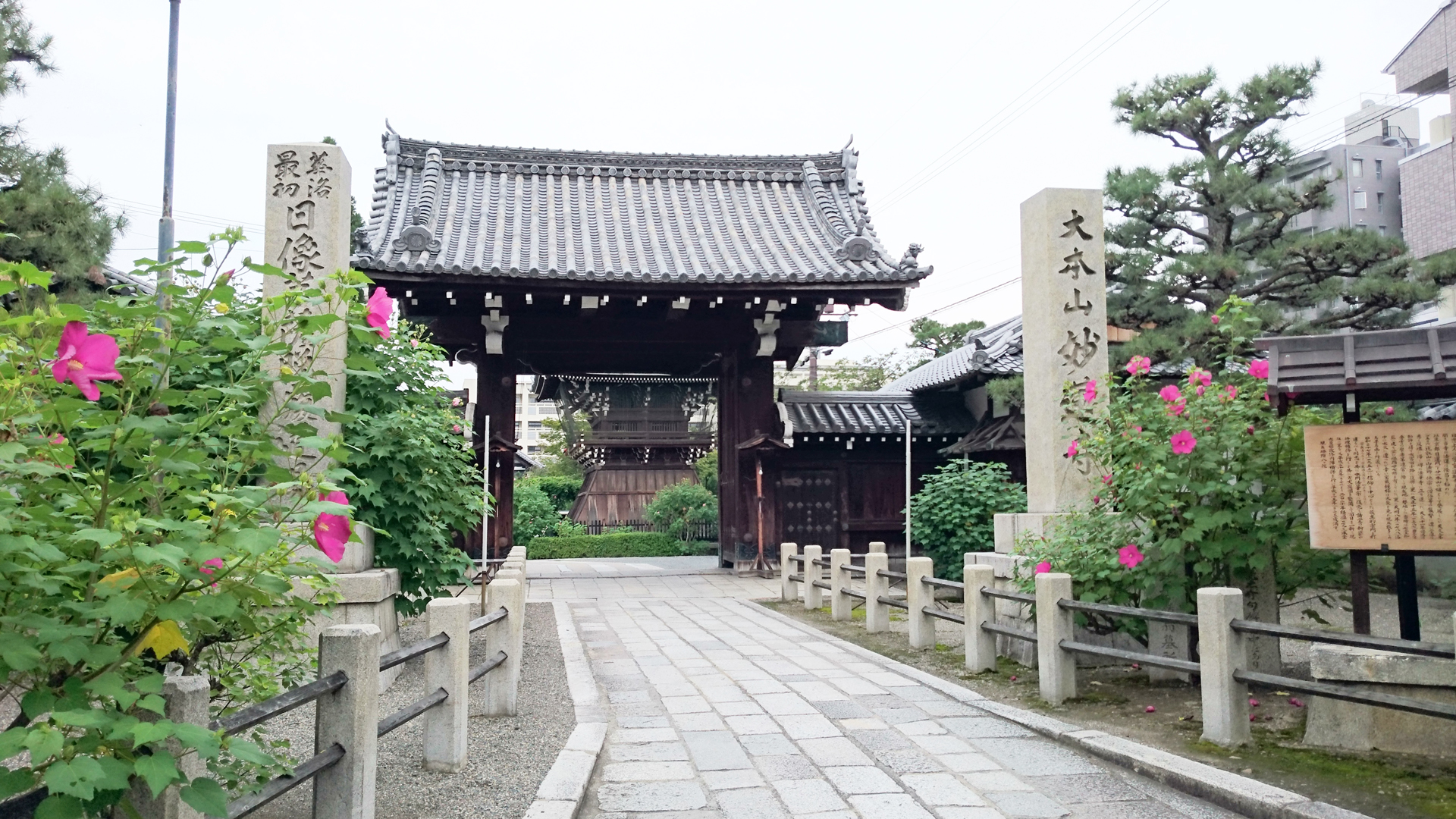
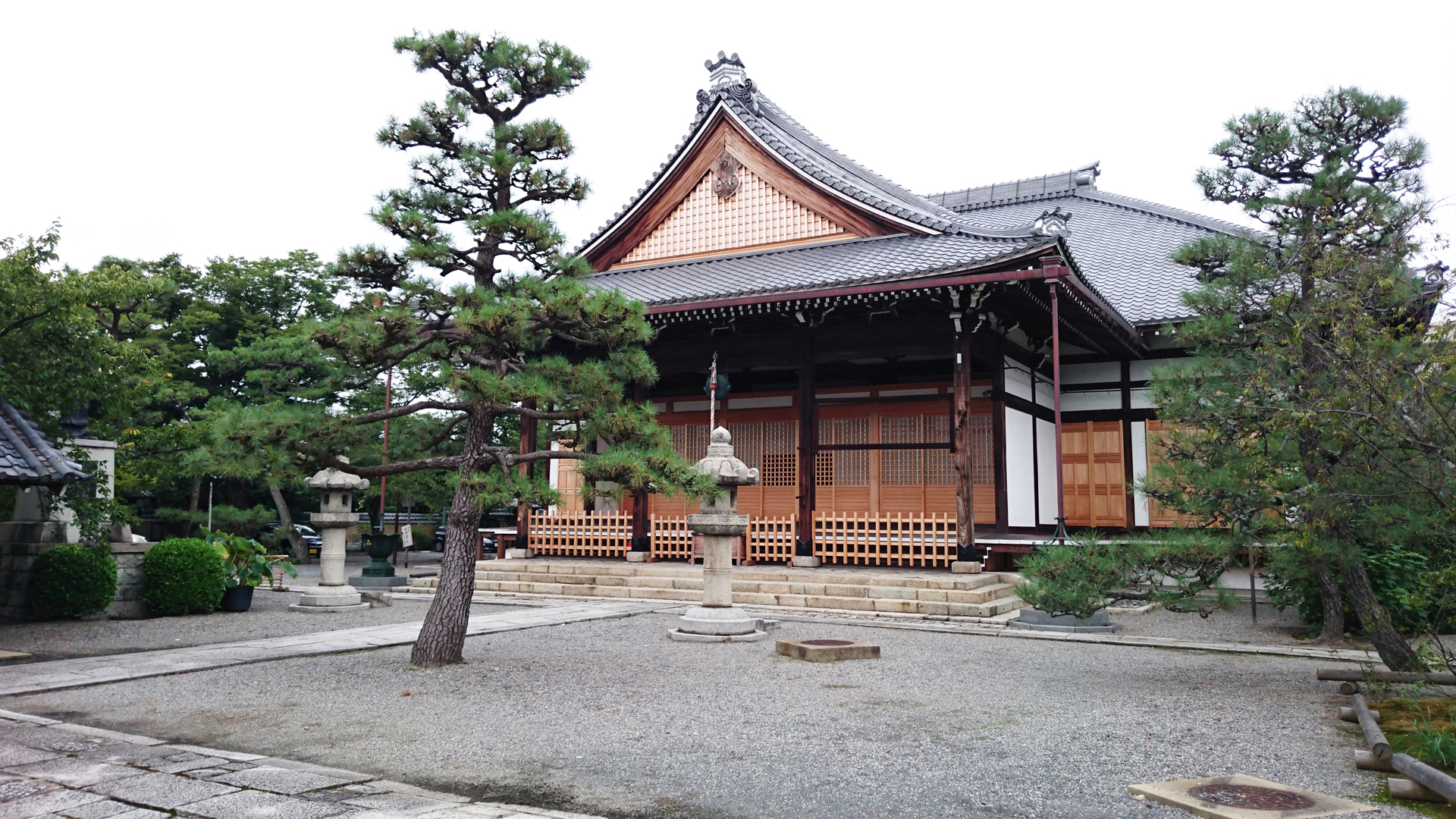
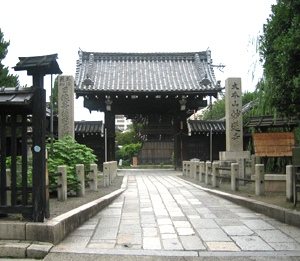
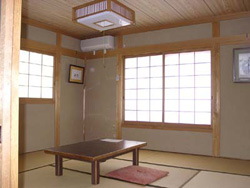
这里是 1294 年创建的本门北科(莲花宗)总寺,在著名的十郎仓干式庭院旁的简陋榻榻米房间里过夜非常罕见。
Founded in 1294 by the priest Nichizo, a disciple in the Nichiren tradition, Myoren-ji has served as the head temple (daihonzan) of the Honmon Hokke sect since 1870 — one of Kyoto's most historically important Lotus Sutra temples.
The Edo-period karesansui (dry landscape) garden "Jurokurakan" features 16 dark stones representing the 16 disciples of the Buddha. Recently restored to its original form, the garden is best viewed from the temple's overnight rooms.
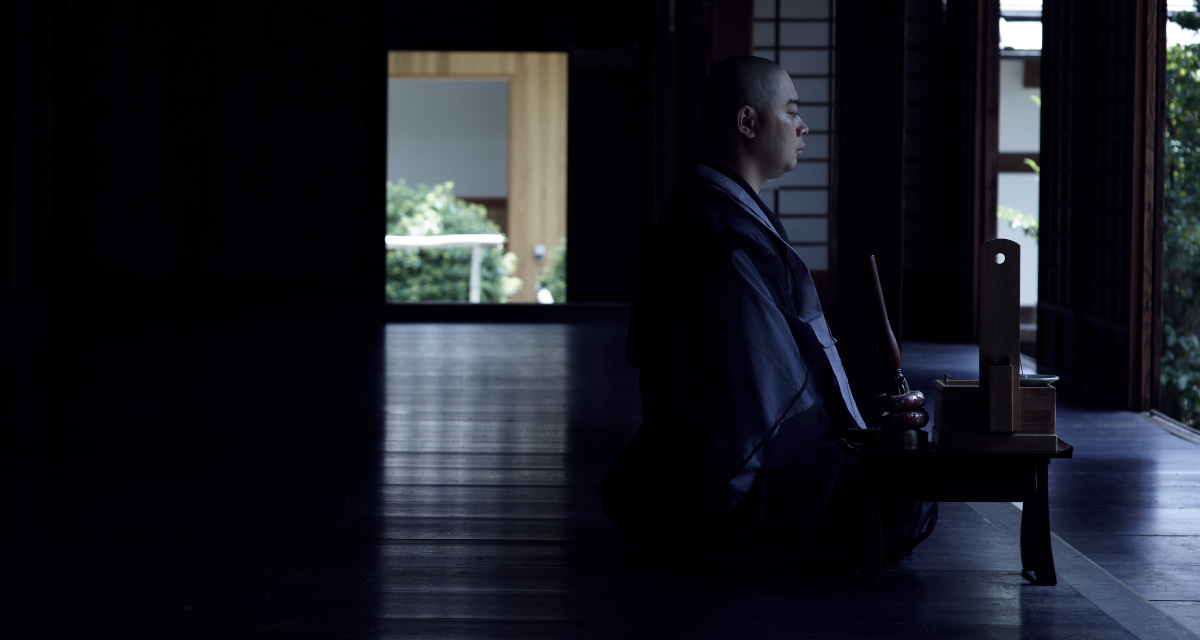
A spartan, monk-style stay: rooms have only futon, table, AC, and hangers — no meals, no in-room bath, and a 2-night minimum. Guests use the public bath next door and may join the morning service at 6:30.
Myoren-ji
2个平台比价 — 最多节省20%
预订链接可能包含推广佣金,您无需支付任何额外费用。
最近车站
Imadegawa Station (Karasuma Line)
从关西国际机场(KIX)出发
1. JR Haruka Express → Kyoto Station ~75 min
2. Local train/taxi → Imadegawa Station (Karasuma Line) ~20 min
从东京出发
1. Tokaido Shinkansen → Kyoto Station ~2h 15m
2. Local transit → Imadegawa Station (Karasuma Line) ~20 min
从大阪出发
1. JR Special Rapid → Kyoto Station ~30 min
or Hankyu Railway → Kawaramachi ~45 min
小贴士: 在任意车站购买IC卡(ICOCA或Suica),即可轻松刷卡乘坐公交和电车。
💡 使用日本铁路通票更划算
无限次乘坐新干线及JR在来线
关于Myoren-ji的11个问题
Founded in 1294 by the priest Nichizo, a disciple in the Nichiren tradition, Myoren-ji has served as the head temple (daihonzan) of the Honmon Hokke sect since 1870 — one of Kyoto's most historically important Lotus Sutra temples.
The Edo-period karesansui (dry landscape) garden "Jurokurakan" features 16 dark stones representing the 16 disciples of the Buddha. Recently restored to its original form, the garden is best viewed from the temple's overnight rooms.
A spartan, monk-style stay: rooms have only futon, table, AC, and hangers — no meals, no in-room bath, and a 2-night minimum. Guests use the public bath next door and may join the morning service at 6:30.
关于Myoren-ji的11个问题