|
|
|
|
|
|
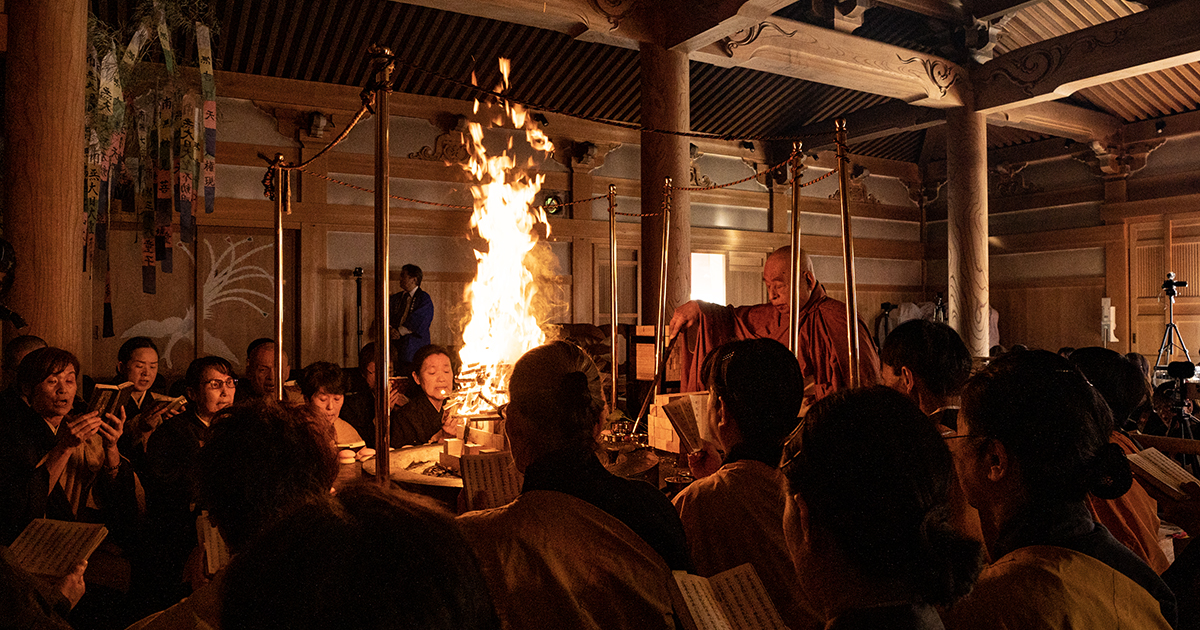
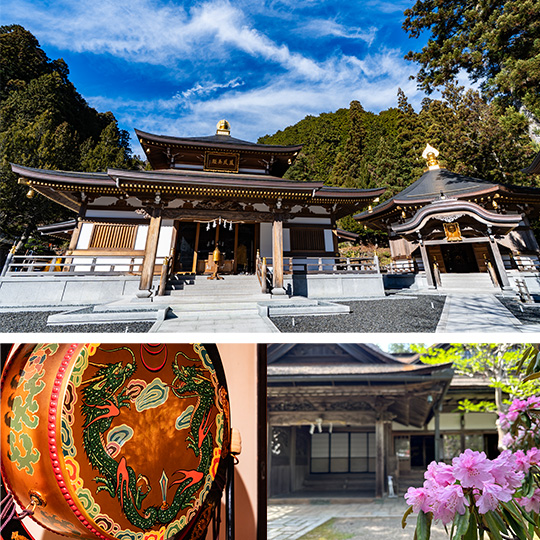
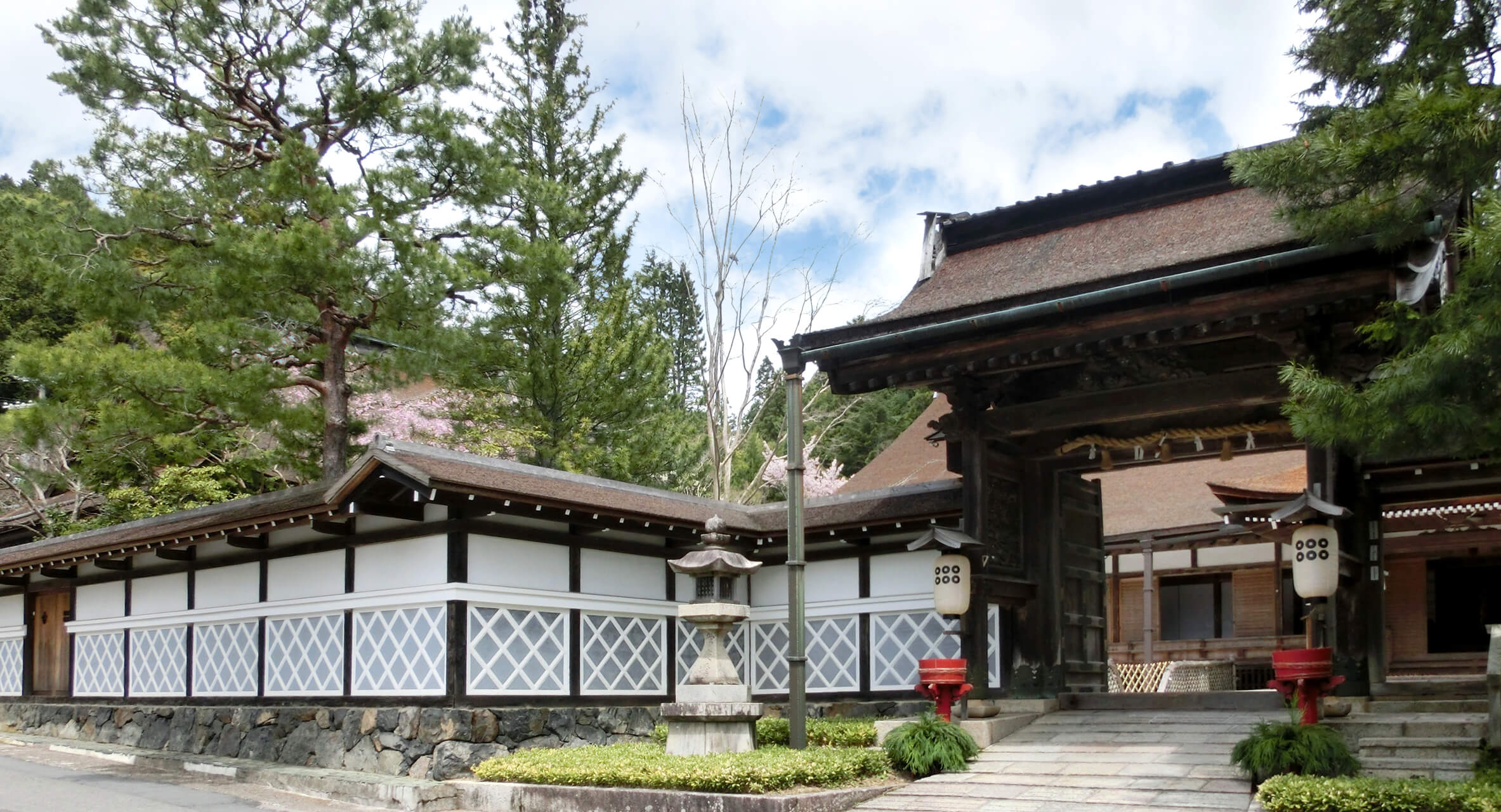
创建于天长年间(824-834 年)的高野山真言宗特别总寺院,矗立在奥之院墓地的正门。
Shojoshin-in stands directly beside the Ichinohashi entrance to Okunoin, the sacred 2-km cemetery path leading to Kobo Daishi's mausoleum. After dinner, guests can step out for a contemplative walk among 200,000+ cedar-shaded tombstones.
Founded during the Tencho era (824-834), Shojoshin-in is one of the oldest temples on Koyasan — predating Kongobu-ji itself. It is designated a Special Head Temple of the Koyasan Shingon sect.
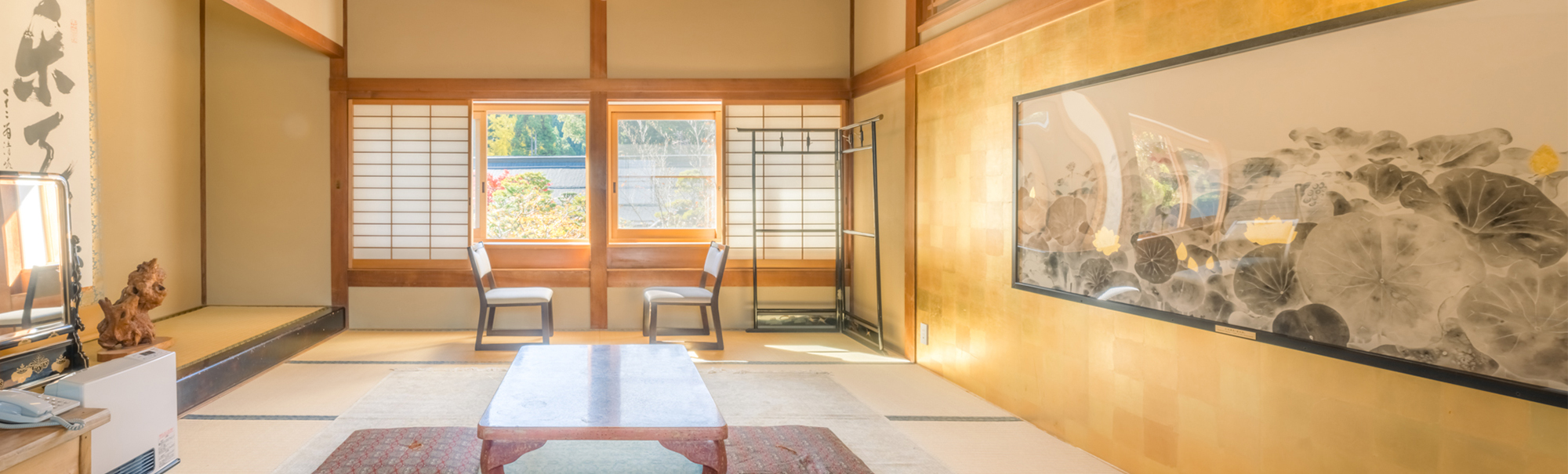
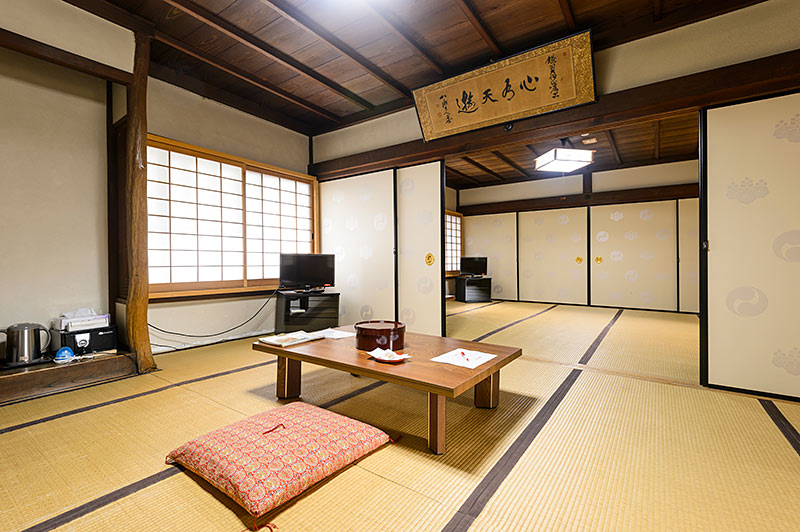
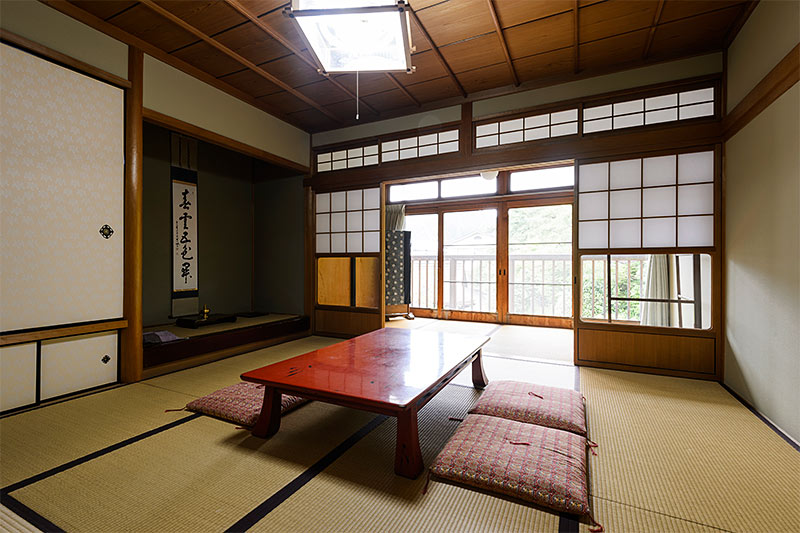
In addition to standard tatami rooms, Shojoshin-in offers private "Hanare" detached residences with their own bath and toilet, set within a Japanese garden with a koi pond.
最近车站
Koyasan Station (cable car)
从关西国际机场(KIX)出发
1. JR Haruka Express → Kyoto Station ~75 min
2. Local train/taxi → Koyasan Station (cable car) ~10 min
从东京出发
1. Tokaido Shinkansen → Kyoto Station ~2h 15m
2. Local transit → Koyasan Station (cable car) ~10 min
从大阪出发
1. JR Special Rapid → Kyoto Station ~30 min
or Hankyu Railway → Kawaramachi ~45 min
小贴士: 在任意车站购买IC卡(ICOCA或Suica),即可轻松刷卡乘坐公交和电车。
💡 使用日本铁路通票更划算
无限次乘坐新干线及JR在来线
关于Shojoshin-in的12个问题
Shojoshin-in stands directly beside the Ichinohashi entrance to Okunoin, the sacred 2-km cemetery path leading to Kobo Daishi's mausoleum. After dinner, guests can step out for a contemplative walk among 200,000+ cedar-shaded tombstones.
Founded during the Tencho era (824-834), Shojoshin-in is one of the oldest temples on Koyasan — predating Kongobu-ji itself. It is designated a Special Head Temple of the Koyasan Shingon sect.
In addition to standard tatami rooms, Shojoshin-in offers private "Hanare" detached residences with their own bath and toilet, set within a Japanese garden with a koi pond.
关于Shojoshin-in的12个问题