|
|
|
|
|
|
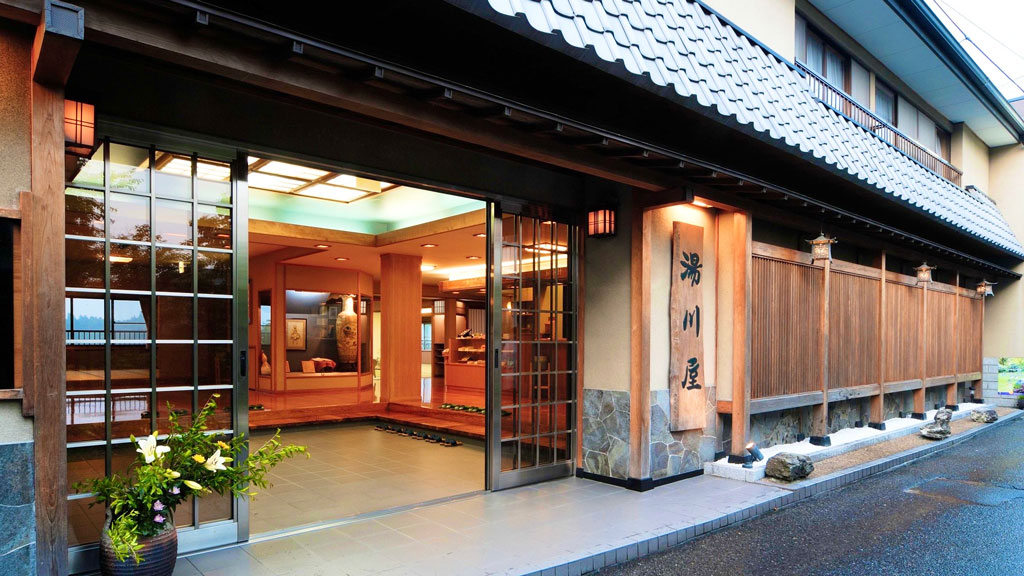
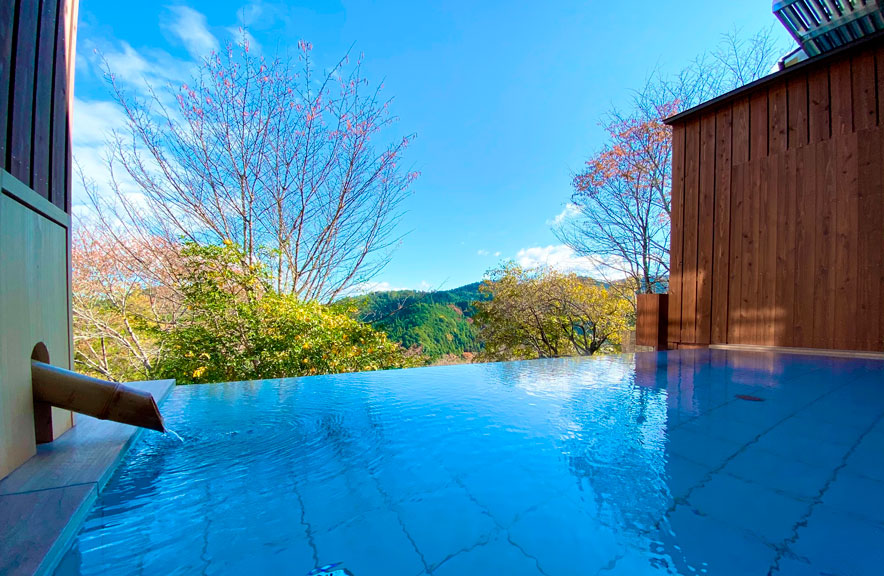
创业约300年的金峰山寺藏王堂门前老旅馆,距离国宝藏王堂最近,并拥有奈良县首座无边际露天风吕。
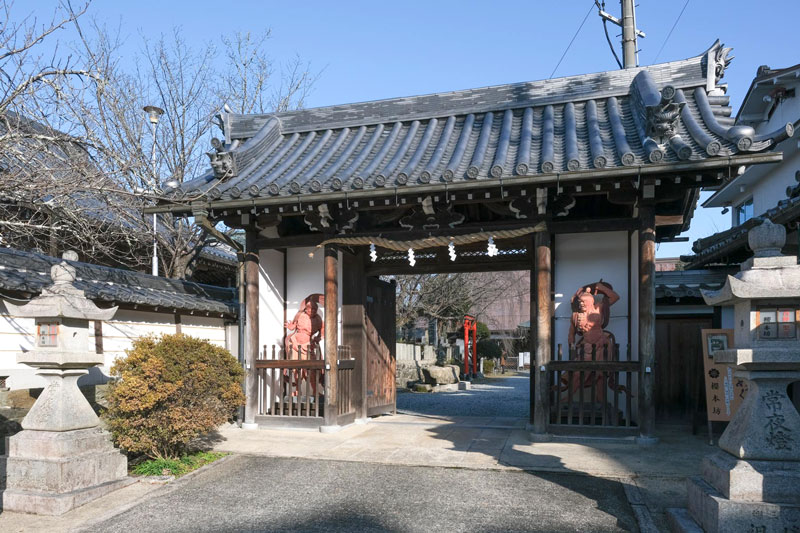
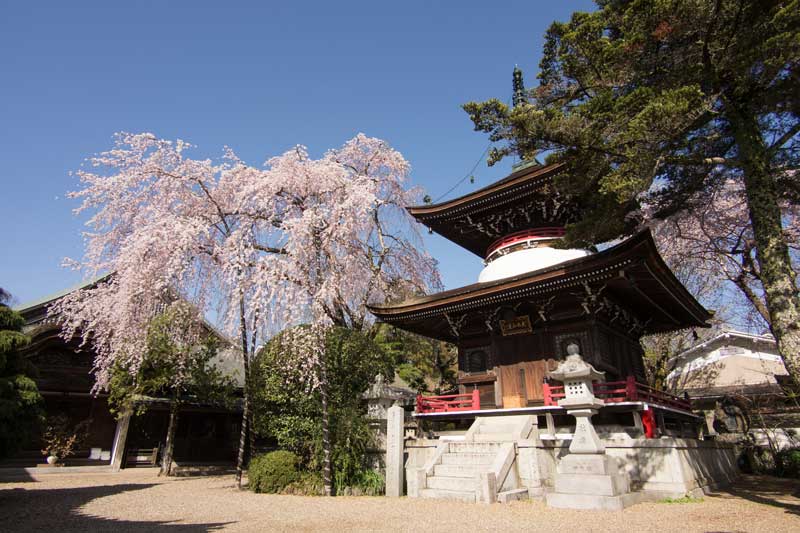
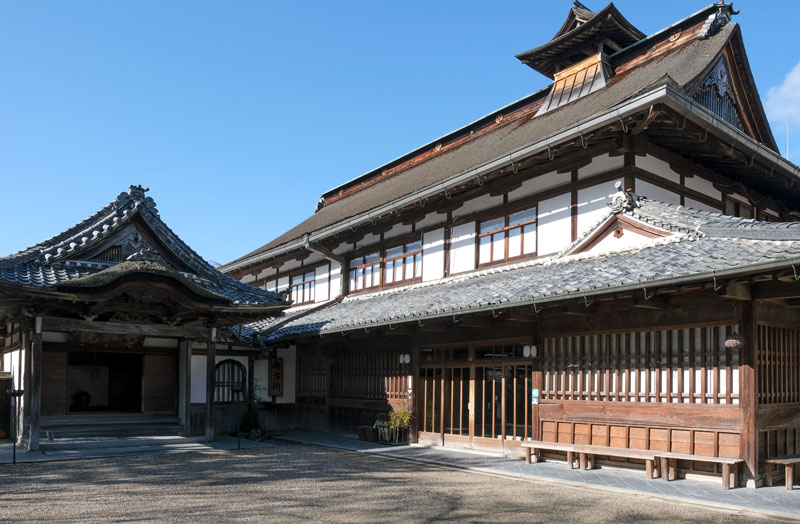
For about 300 years Yukawaya has operated as the mongen-yado (gate-front lodging) of Kinpusen-ji Zao-do — a National Treasure and the second-largest wooden building in Japan. The Zao-do is just a 5-minute walk from the front door, the closest of any inn on Yoshino-yama.
The artificial radium hot spring "Saigyo no Yu" includes a panoramic infinity-edge open-air bath — the first of its kind in Nara Prefecture — overlooking the World Heritage cherry-blossom slopes of Yoshino-yama.
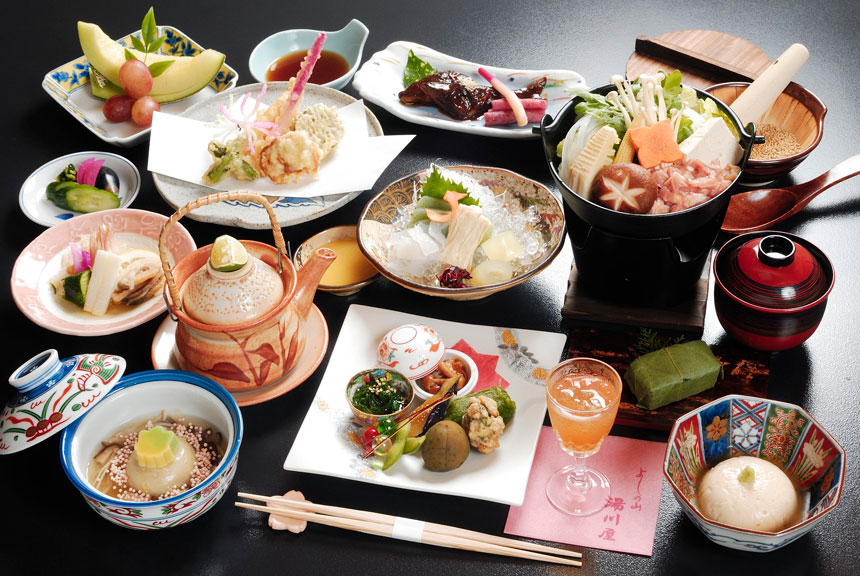
The signature multi-course "Saigyo Gozen" features Yoshino kuzu (arrowroot starch) prepared as the registered-trademark "Saigyo Nabe" hot pot, alongside river fish and seasonal mountain vegetables. Yoshino-built timber, a 1286-dated En no Gyoja statue and Edo-period travel diaries (Hyoshitsu Choo, Oda Ieko) all attest to the inn's long history.
吉野庄 汤川屋
2个平台比价 — 最多节省20%
预订链接可能包含推广佣金,您无需支付任何额外费用。
最近车站
Yoshinoyama Station (Yoshino Ropeway)
从关西国际机场(KIX)出发
1. JR Haruka Express → Kyoto Station ~75 min
2. Local train/taxi → Yoshinoyama Station (Yoshino Ropeway) ~15 min
从东京出发
1. Tokaido Shinkansen → Kyoto Station ~2h 15m
2. Local transit → Yoshinoyama Station (Yoshino Ropeway) ~15 min
从大阪出发
1. JR Special Rapid → Kyoto Station ~30 min
or Hankyu Railway → Kawaramachi ~45 min
小贴士: 在任意车站购买IC卡(ICOCA或Suica),即可轻松刷卡乘坐公交和电车。
💡 使用日本铁路通票更划算
无限次乘坐新干线及JR在来线
关于吉野庄 汤川屋的15个问题
For about 300 years Yukawaya has operated as the mongen-yado (gate-front lodging) of Kinpusen-ji Zao-do — a National Treasure and the second-largest wooden building in Japan. The Zao-do is just a 5-minute walk from the front door, the closest of any inn on Yoshino-yama.
The artificial radium hot spring "Saigyo no Yu" includes a panoramic infinity-edge open-air bath — the first of its kind in Nara Prefecture — overlooking the World Heritage cherry-blossom slopes of Yoshino-yama.
The signature multi-course "Saigyo Gozen" features Yoshino kuzu (arrowroot starch) prepared as the registered-trademark "Saigyo Nabe" hot pot, alongside river fish and seasonal mountain vegetables. Yoshino-built timber, a 1286-dated En no Gyoja statue and Edo-period travel diaries (Hyoshitsu Choo, Oda Ieko) all attest to the inn's long history.
关于吉野庄 汤川屋的15个问题